Find affordable homes you can apply for right now.
Apartments with lower rents, and homes you can buy for less. You can apply for all of them right now, across the US. Each one has an income limit, which is the most a household can earn. If your household earns less than the limit, you may qualify.
- listings you can apply for right now
- 1,399
- close in the next 30 days
- 136
- states with listings you can apply for
- 36
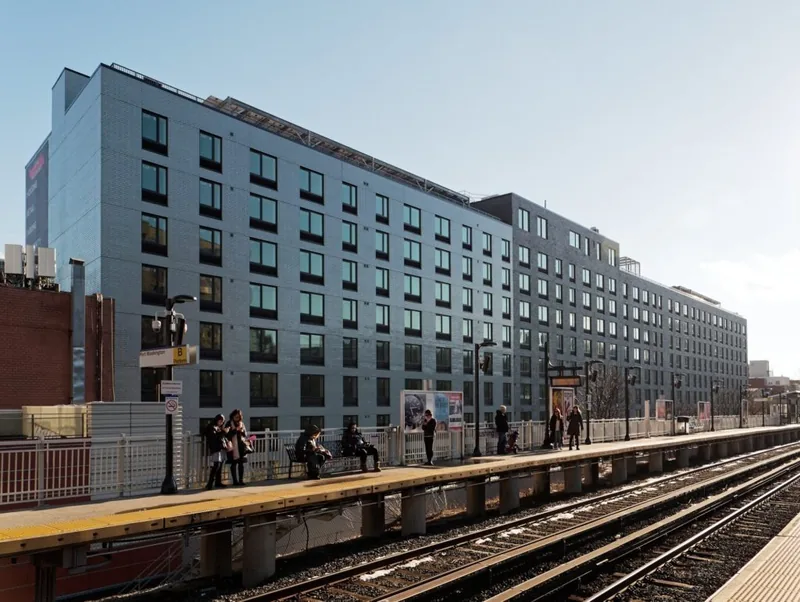
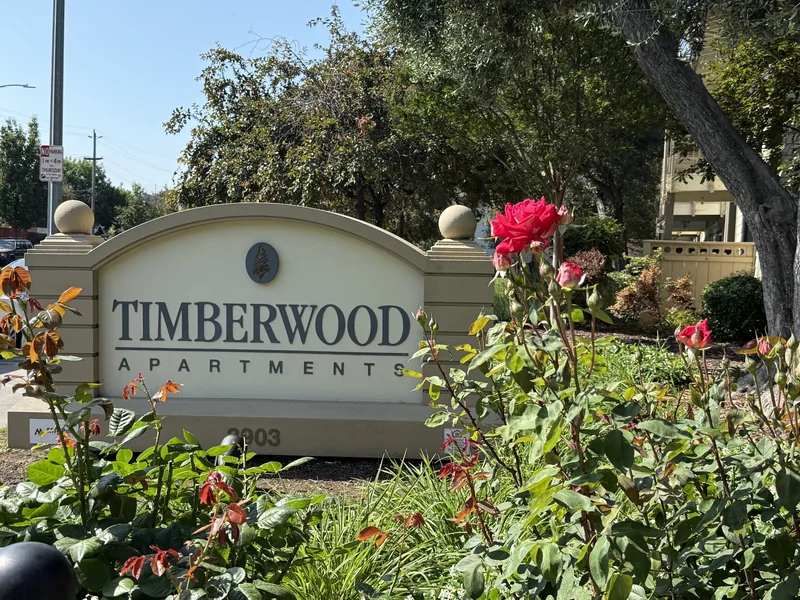

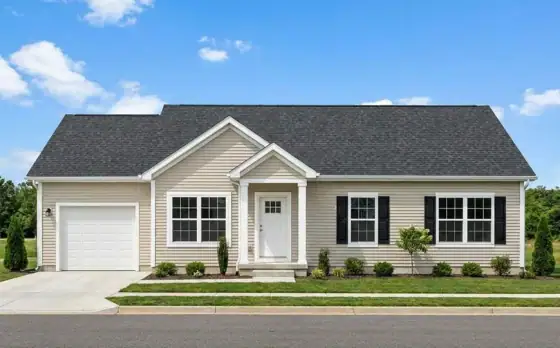
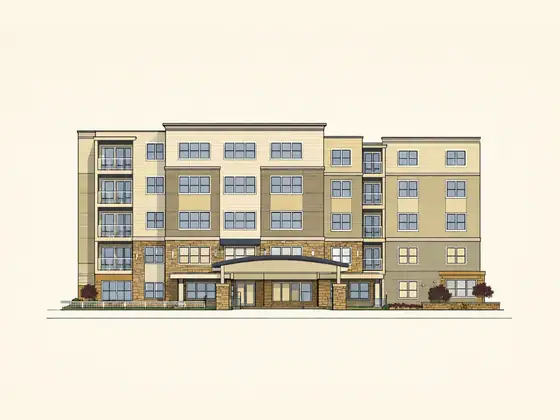
Browse open listings
Apartments and homes you can apply for now. Pick a kind of home, or how people are chosen.
How people are chosen
Try it now
Which homes might fit you?
Answer a few questions. We compare your answers with the income limit and other rules of each listing. The income limit is the most a household can earn.
How many people will live with you?
How much does your household earn before taxes?
Who will live there?
Some homes are only for seniors, veterans, people with disabilities or other groups. Answer what you like and we leave out the homes you can't apply for. You can skip any.
Where are you looking?
City or town
You may qualify for 626 open listings
Out of 1,396 open listings. This is a quick preview. It uses a typical income in the range you picked. “May qualify” means your answers fit the listing's income limit and other rules. The building or office that runs the listing makes the final decision. 101 of these are for seniors only. Answer the age question to check.



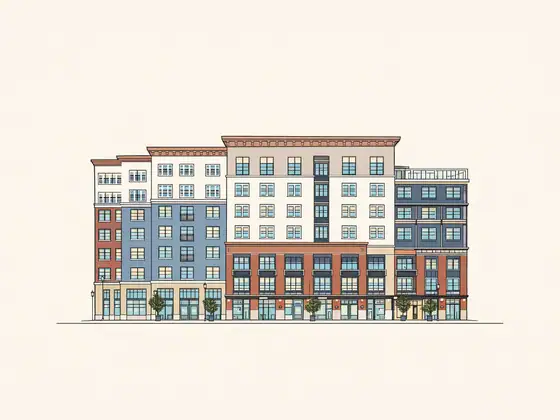
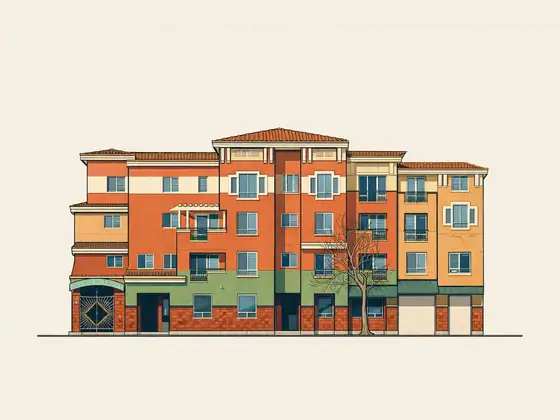
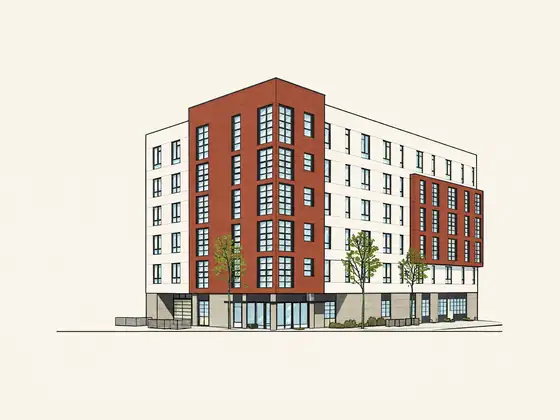
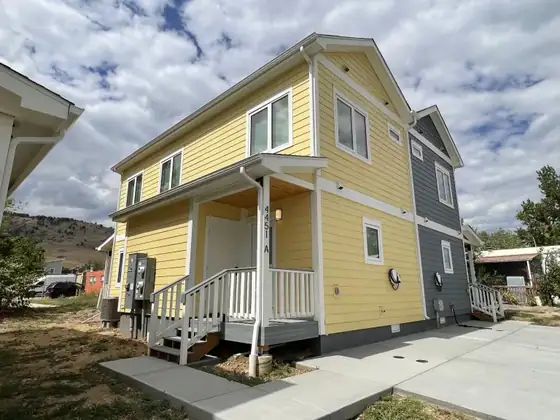
Free. No account needed. Your answers stay in your browser.
Applying shouldn’t be a second job.
Four things make applying hard. Here is how we help with each one.
Checking many websites for new homes to apply for
We gather the homes you can apply for from the public websites of cities, states and local housing offices. We check for new listings every day.
Rejected for being $200 over the income limit
Enter your household size and income. We compare them with each listing's income limit, which is the most a household can earn. If you are within 5% of the limit, just under or just over, we tell you. With a free profile, you can add overtime and bonuses too.
Not knowing which papers you need
Most places ask for a photo ID, pay stubs, a tax return and bank statements. If a listing names the papers it needs, we show them. Then you know what to gather before you apply.
Losing track of what you applied for
Save each application in one place. Add the confirmation number and any news you get. You can see the whole history.
How it works
Three steps from “I wonder if I qualify” to an application you send yourself.
Step 1
Answer a few questions about your household
It's mostly household size and income, and takes about a minute. Your answers stay in your browser.
Step 2
See the listings you may qualify for
We compare your answers with each listing's income limit and who it is for. We mark the ones that fit. The building or office that runs the listing makes the final decision.
Step 3
Apply on the official page
Each listing links to the official page with the steps. Apply there. Then save the listing here and add your application, so you can keep track.
Why people look for these homes.
Lower rents.
Rents are set lower than the usual price, for households that earn less than the income limit. In an expensive city, the rent can still be high.
Limits on rent increases.
Some of these homes have a limit on how much your rent can go up. The listing says if it does.
Homes to own, too.
Some places sell homes for less than the usual price. Some offer classes and help with loans for people buying their first home.
Free to enter.
Joining a lottery or waitlist should never cost money. Some places charge a fee for the application or a credit check. The listing shows the fee. If someone who doesn't run the listing asks you to pay, it is a scam.
Your information stays yours.
Housing applications ask for private details. Here’s how we handle yours.
The qualify check keeps your answers in your browser. They are never sent anywhere. If you make a free profile, we save what you enter so you can come back to it.
We never ask for your Social Security number or bank details. If an official application needs them, you give them on that application's own website.
Apply once per listing. Applying twice can get you turned away, so keep track of what you sent.
Your profile is private. Only you can see your household details, and deleting your account removes them.
More ways to find a home
These are two more ways to find a home. Neither has a deadline. Area-wide waitlists are run by your local housing office. Apply-direct buildings are buildings you contact yourself.
Area-wide waitlists
176 waitlists in 19 states
Waitlists for rent help, run by local housing offices for a whole city or county. They cover Section 8 vouchers, which help pay your rent, and public housing, which is apartments the housing office owns. You sign up and wait to be called.
Apply-direct buildings
69,111 buildings in 56 states and territories
These buildings have lower rents all year, but they don’t announce when an apartment opens up. You need to call the building’s office and ask to join its waitlist.
Frequently asked questions
What is affordable housing?
Affordable housing costs less to rent or buy than other homes in the area. It is for households that earn less than a set limit. The limit depends on how many people live with you and where you live.
What do you list?
We list apartments and homes you can apply for right now. We call these open listings. We also list apply-direct buildings. These are buildings that don't announce when an apartment opens up, so you need to contact them yourself.
Right now there are 1,399 open listings, in 36 states. Here is how many of each kind:
- Income-restricted rentals: 968
- Homes for sale: 361
- Section 8 buildings: 40
- Public housing: 8
- Section 8 vouchers: 0
22 more don't say what kind of housing they are. You can read what each kind means on the kinds of housing page.
We collect all of this from official websites. We cover many areas but not every one, so also check your local housing office. That is the government office in your area that runs housing help.
What is an apply-direct building, and how is it different from an open listing?
An open listing is an apartment or home you can apply for right now. Some are waitlists: you sign up now, and you're offered an apartment later, when one opens up.
An apply-direct building is a building with lower rents that doesn't announce when an apartment opens up. To get in, you need to call or visit its office and ask to join its waitlist.
We list over 69,000 apply-direct buildings on our buildings pages. We count them separately from the open listings. Only the building can tell you if an apartment is free, so call or visit its office and ask.
What is the difference between a lottery, a waitlist and first come?
They are three ways people are chosen.
- Lottery: Names are picked by chance, so applying early does not help.
- Waitlist: You sign up for a list, and when an apartment opens up, it goes to the next person on the list.
- First come: Applications are handled in the order they arrive, so apply as soon as you can.
Each listing says which one it uses, if the page we read says so.
What is the difference between a Section 8 voucher and public housing?
There are three kinds of government help with housing costs.
- Section 8 voucher: Government help that pays part of your rent. You find a landlord who accepts the voucher, and you pay about 30% of your income.
- Public housing: An apartment that your local housing office owns, where rent is usually about 30% of your income.
- Section 8 building: An apartment building where the government helps pay the rent.
With a voucher, you choose your landlord. With public housing, you get a specific apartment. A housing office is the government office in your area that runs housing help.
Is Fair Shot Housing a government agency?
No. We gather listings from the public websites of cities, states, housing offices and lottery sites. The building or housing office that runs each listing decides who gets in. Joining a lottery or waitlist should never cost money.
How do I apply?
Each listing links to the official page. You fill in and send the application there. You can also add the listing to your tracker here, with your confirmation number and any news you get.
Will this improve my odds?
Not in the lottery itself. A lottery is random, so nobody can change your number. What we change is how many listings you know about.
What if my income is close to the limit?
We tell you when your household's income is within 5% of a listing's income limit, just under it or just over it. For example, if the limit is $50,000, we tell you from $47,500 up to $52,500.
Some places count overtime, bonuses and raises you expect. Check the rules on the listing's official page before you apply.
Is it free?
Yes. Searching, the qualify check, saved listings and the application tracker are free.
Joining a lottery or waitlist should never cost money. Some places charge a fee for the application or a credit check. Never pay anyone who doesn't run the listing.
Do I have to share private information like my Social Security number?
No. We never ask for your Social Security number or bank details.
The qualify check asks for these things:
- Household size
- Yearly income before taxes, and how often you are paid
- The age of the oldest person
- Whether anyone is a veteran
- Whether anyone has a disability
- Whether you are a first-time home buyer
- Whether you want to rent or buy
- Where you want to look: state, city and area
Your answers stay in your browser. If you make a free profile, we save your household details so only you can see them. When an official application needs private details, you give them on that application's own website.
Find out what you qualify for.
Answer a few questions about your household. In about a minute you’ll see which listings may fit.